
DR. LESLEY STEELE
She didn’t get even.
She got building.
Why the strongest businesses are often built from
the moments that nearly break us.
BY JACKELYN GILL
Managing Editor, WXN Media
Lesley Steele had done everything they asked.
She wanted into the club—never mind that it was only men. They had the purchasing power and the education opportunities. It was exactly the kind of group a young, independent veterinary clinic owner needed to be part of.
The first time she knocked on their door, the threshold for entry was a million dollars in sales. “I was probably at $300,000 or $400,000," she says, "but I was confident I could do it."
When she got there, she knocked again. They moved the line. A million and a half. She hired another vet, stretched the business, and hit the target a second time.
So she knocked once more. Two million. And along with that number came the truth.
“They basically said, ‘Good Lord, we never thought you'd actually be able to do this. We're never letting you in, and we never had any intention of letting you in.’”
Lesley went home burnt out. Embarrassed. Furious. A grown woman feeling like a kid being told she couldn't do something. She credits that moment as the one that built her career: “They lit a fire under me.”
She wasn’t about to let it go to waste. Because Lesley doesn’t stew when something pushes her the wrong way. She builds, even from her earliest days in the field. Which is exactly how Steele Veterinary Group became one of the largest independent veterinary practices in Canada.
The Job She Couldn't Do
Long before she was knocking on anyone’s door, Lesley was busy with her hands inside a dairy cow in a minus 30-degree barn.
Just part of the job for a large animal veterinarian in northern Ontario. “I remember having to put my hands inside of the cow's abdomen to warm them up enough during a surgery so that I could feel my hands to continue suturing, because they were numb from the cold,” she says.
But when she moved into her small animal practice, she found something that bothered her far more than the cold.
The most junior vet on staff by about 14 years, she was the one bearing the brunt of the clinic’s most gut-wrenching job: euthanizing unclaimed animals picked up by the local animal services.
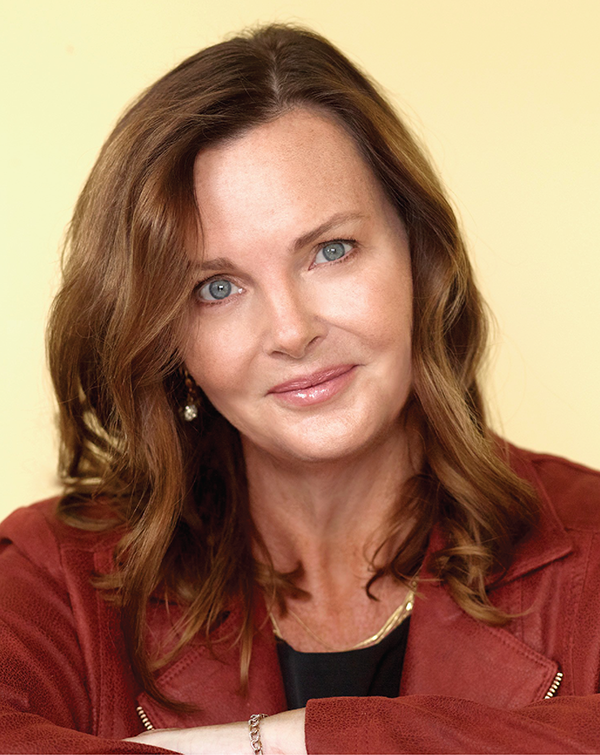
Dr. Lesley Steele DVM, BSC, is Owner and CEO of Steele Veterinary Group
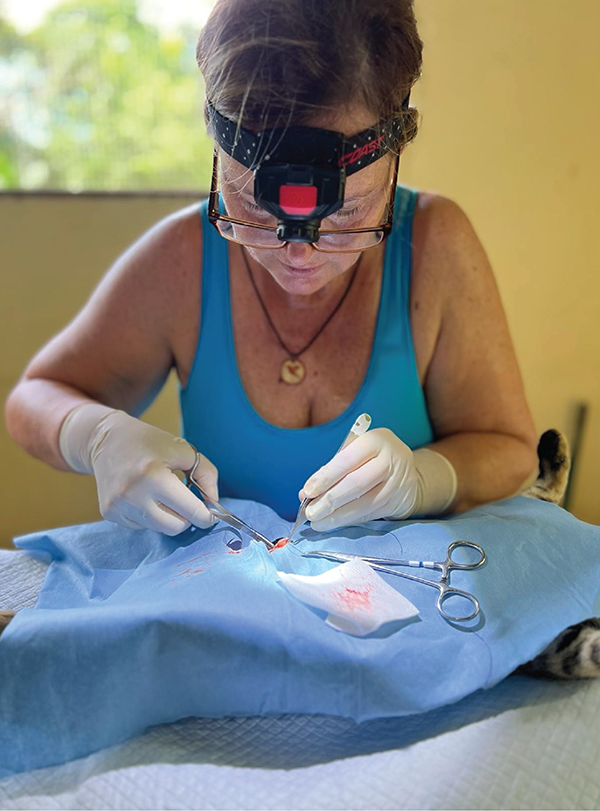
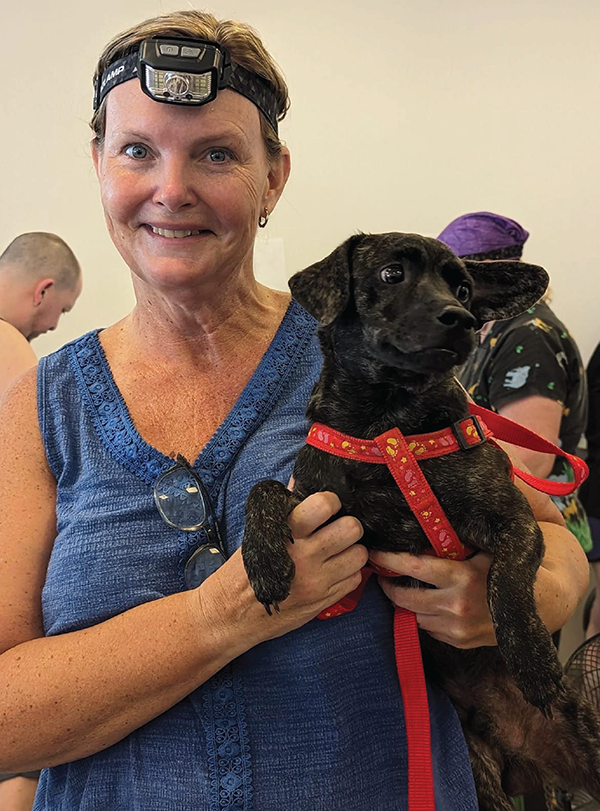
“It was horrifying as a human being to have to go to bed at night knowing that that's what you had to do during the day,” she says.
Sometimes Lesley pretended she couldn’t hit a vein because she couldn’t bear to administer the injection herself. When she could, she’d hide animals in a duffel bag under her desk, sneak them out during lunch, and find a home on her own.
“It's ultimately why I bought my own practice, because I just couldn't do it,” she says. If she was going to have to make those decisions, she was going to make them on her own terms. “I will never euthanize a healthy animal.”
That was her founding value when she purchased the Eastern Passage Village Veterinary Hospital in Halifax on April 1, 1999. From day one, she made sure there was always somewhere else a healthy animal could go.
“You have these hard-line ethics that define who you are. Since day one, that was one of our defining characteristics that I’m still proud to say in 2026 is just as strong.”
The Others Who Said Quit
But building the foundation for a healthy business takes more than an ethical stance.
Back then, “We had no idea how to run a business,” Lesley says. “I was running a practice almost like a charity at some points in time. I felt really guilty when people couldn't afford to take care of their animals, and so I would do work for free.”
She also wanted to take care of her team, which often meant foregoing her own check to make sure the clinic could meet payroll.
Soon she was sinking in financial quicksand. Her parents remortgaged their home to help keep the clinic afloat. She hired an expert to evaluate the business. His advice: bail out and get a job working for someone else, because even though Lesley owned the business, she wasn’t a business owner.
Instead, “I got serious. I started sorting out how to run a business properly,” she says.
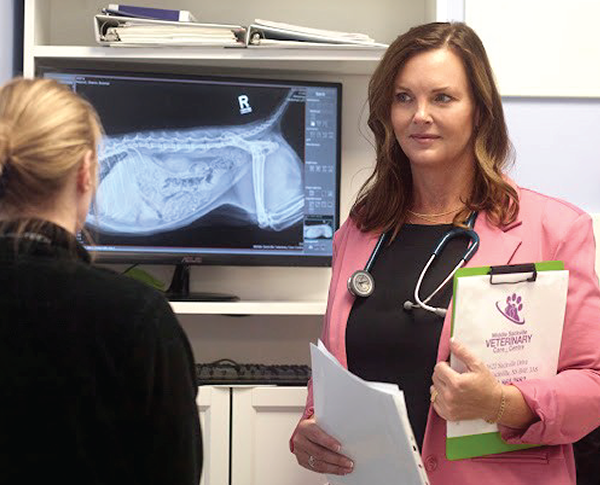
That’s when Lesley discovered the “Boys club.” Think limos and spa days. Deals from pharmacies under a single purchaser structure. Continuing education for their members. They had the business edge, and she wanted in.
Jumping through the ever-increasing revenue hoops helped her tighten up her business. “They taught me how to goal set. They taught me how to do something that I had no idea I should be doing,” she says.
When “No” became “Never,” she wasn’t about to let sleeping dogs lie. She called her Director of Operations with an idea. What if they created their own buyer’s group? “They didn't let us on the playground to play, so we'll just make our own playground.”
She called her playground The Vet Alliance. “We made it inclusive, so that anybody could join,” she says. And in its heyday, she’s proud of growing the largest group of independently owned veterinary practices in the world—and a model that would be repeated in other countries.
“I could barely get out of bed. I had probably full depression and burnout,” she says. “I realized that I
couldn't keep doing what I was doing, and I felt tremendous guilt.”
The Body That Said Stop
As the Vet Alliance was born, Lesley was expecting another surprise: a baby.
“I was struggling to get pregnant and to stay pregnant,” she remembers. At the same time, she was convinced she could still do everything. “I was working 80 hours, 90 hours a week, trying to take care of everybody.”
Then her clinic received a call. Someone’s dog needed urgent care, but the emergency clinic was too expensive. Could she help? Exhausted, she still said yes. The dog came in. Lesley lifted it onto the table.
She lost her baby 16 weeks into her pregnancy.
She can’t say for sure that event caused her miscarriage, but she does know with certainty that it was a critical turning point professionally and personally.
“I could barely get out of bed. I had probably full depression and burnout,” she says. “I realized that I couldn't keep doing what I was doing, and I felt tremendous guilt.”
For someone who had built her practice around doing more, asking less, and saying “yes” when others said “no,” setting limits felt like a betrayal of who she was. But it was also the only way she’d be able to keep going.
She raised her prices. She closed her clinic on Saturdays. The results surprised her. “We actually did better because the team was so excited to have a weekend off that they worked so much harder during the week,” she says.
It was the first time she learned that pulling back didn't mean falling behind. The business she was killing herself to protect might actually thrive if she let it breathe. Her passion shifted away from the exam room and toward the thing she'd been told she wasn't cut out for: "Ultimately my passion became more directed on the business side of things."
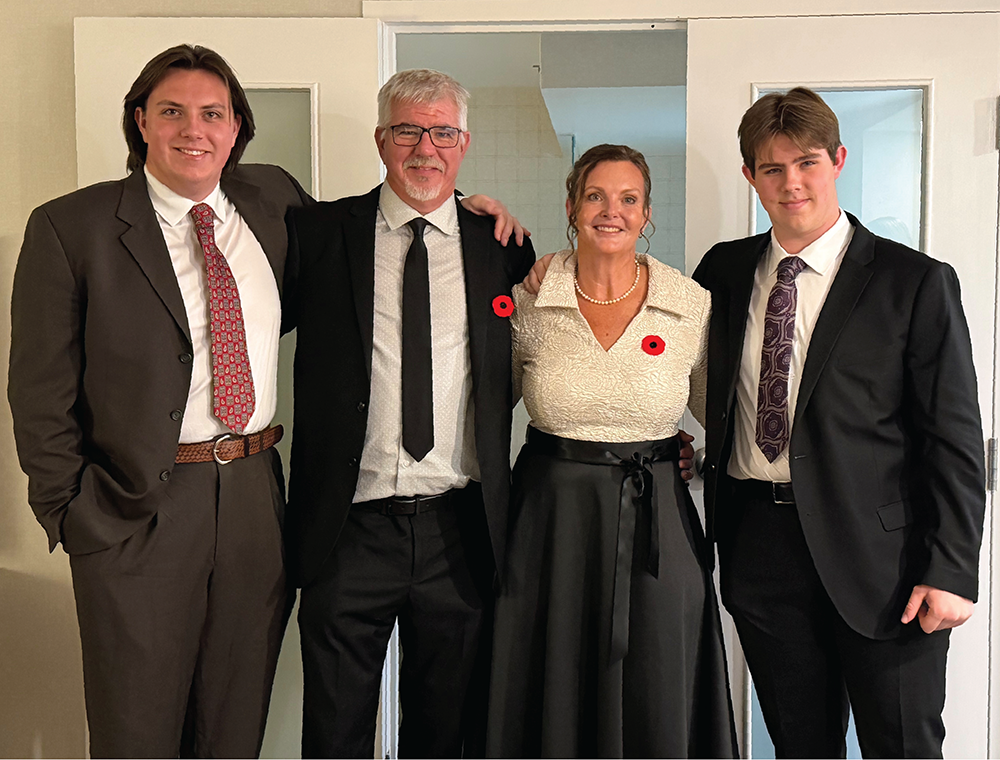
And with those boundaries in place, she was able to start her family—which now includes her husband, two sons, two French bulldogs and a cat.
The Industry That Said Move
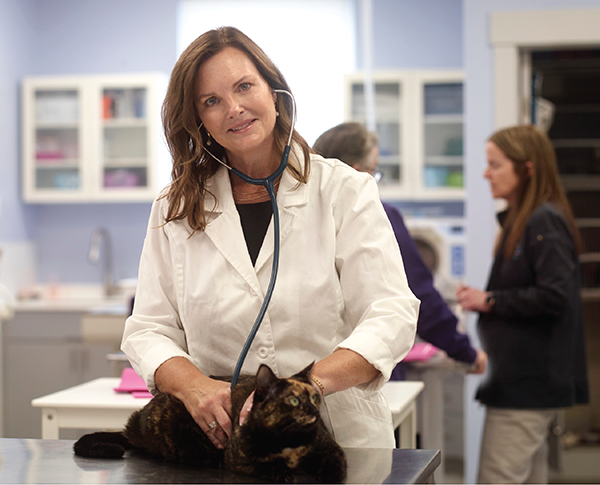
Lesley’s businesses have expanded along with her family. Steele Veterinary Group now manages eight animal hospitals. This, against the backdrop of an industry that’s currently undergoing heavy consolidation.
The pressure’s on, but she’s applying her own.
Competing with corporate owners on low-cost service wasn’t an option. Recruiting new veterinarians became more difficult too, with signing bonuses matching student debt. If someone offers you $150,000 to join, “How can you not say yes to that?” she acknowledges.
So she looked elsewhere for her edge.
“My greatest things happen when someone tells me I can't do something,” she says. And those words? “That let's me know that I wanted to do this for a long time.”
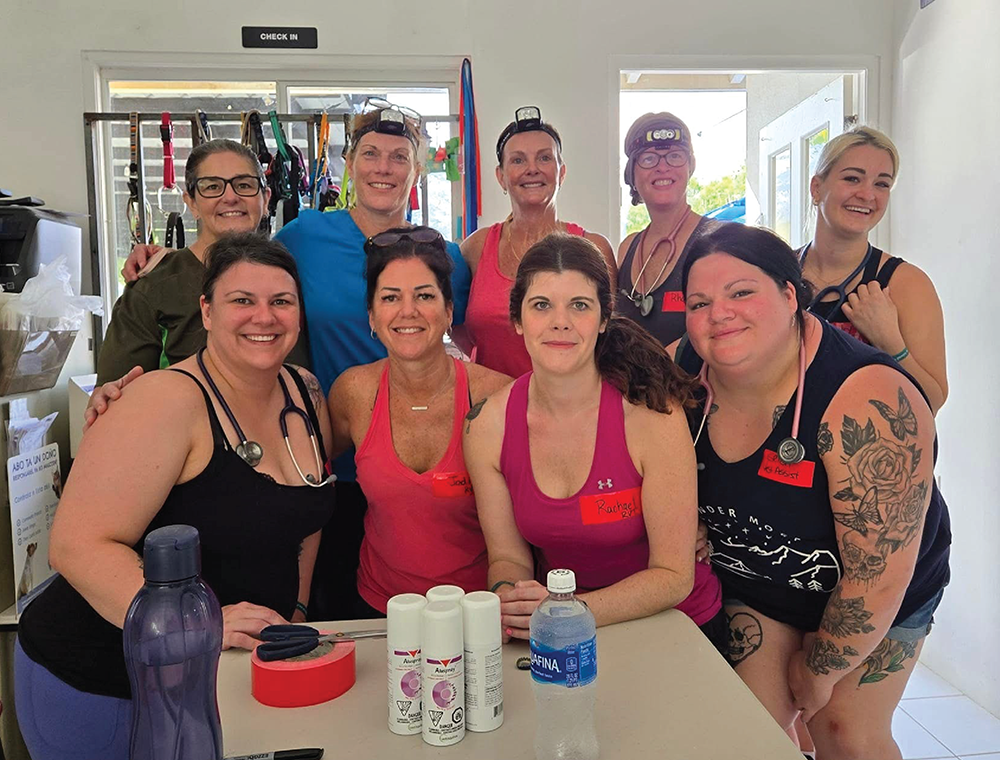
In an industry known for high rates of burnout, leave, and even suicide, Lesley niched heavily into creating workplaces where people feel valued. “We were the first hospital group to hire a Director of Wellness,” she says. “We can create an environment where they're nurtured, not burnt out, and feel like somebody cares for them, and that they're not just a machine that makes money.”
At the same time, Lesley launched Virtual Veterinary Solutions, originally to solve her own struggle with managing phone calls, staffing, and scheduling. She quickly learned she wasn’t alone.
“There was a big crisis in the U.S. because unemployment rates were really low,” she says. “The average stay was three months for a receptionist. You can’t train somebody that quickly.”
Independent clinic owners flocked to her platform for answering calls and booking appointments.
She saw herself in them. “If I picture myself way back when making every mistake in the book to the point where my parents had to remortgage their house for me, how can I help somebody from not making those mistakes?” she says.
How to build a practice. How to value themselves at what they’re worth. What goals they want to hit and how to get there. “So we came up with a plan to offer central services that can help them be more efficient and can be cheaper, and we also came up with a plan to offer partnership, so that they weren't alone.”
In other words, the woman they wouldn't let in is now teaching everyone else how to play the game.
The Conviction That Endured
There have been times Lesley has considered leaving veterinary care and joining a different career.
The nights she lay awake questioning if she could endure one more day of acting against her beliefs. The days she spent scrambling to hit an ever-increasing target that never existed in the first place. The hours working overtime to push one more animal through. The echoes of someone telling her she can’t run a business. The deep personal losses that can never be regained. The very landscape changing underneath her feet.
What keeps Lesley grounded through it all is simple. It’s inside a campfire notebook from grade two, when she confided that she wanted to be a “veteran”—spelling wasn’t her forte at that age.
When she feels like she’s losing her way, she opens the cover, turns to that page, and remembers why she doesn’t give in. Why she’d rather push a boundary than let it push her.
“My greatest things happen when someone tells me I can't do something,” she says. And those words? “That lets me know that I wanted to do this for a long time."