The Feeling Follows the Doing

The Feeling Follows the Doing

BY DIANE ROSS
I walked onto a stage in Dallas looking like I had everything together.

The event was called North America’s Next Greatest Speaker. Ten finalists. Three minutes each. The top three would move on to the finals.

I had the outfit. The hair. Two coaches. Hours of TED Talks trying to reverse-engineer someone else’s magic until I’d completely lost track of my own.

I was ninth to go on, which meant nearly an hour backstage watching other speakers do the one thing I couldn’t seem to do.

Sound like themselves.

When Preparation Becomes a Disguise

One woman stood out. Sassy, fast, irreverent. She broke every professional speaking rule I’d been taught. The audience adored her, not because she was polished. Because she was present.

Standing backstage, I knew.

I had gone about this completely wrong.
What it Actually Means to Live Like a Legend

What It Actually Means to Live Like a Legend

By Jackelyn Gill
We don’t usually think of ourselves as legends.

That word feels reserved, for history books, for names we learned long before we ever imagined what our own path might look like.

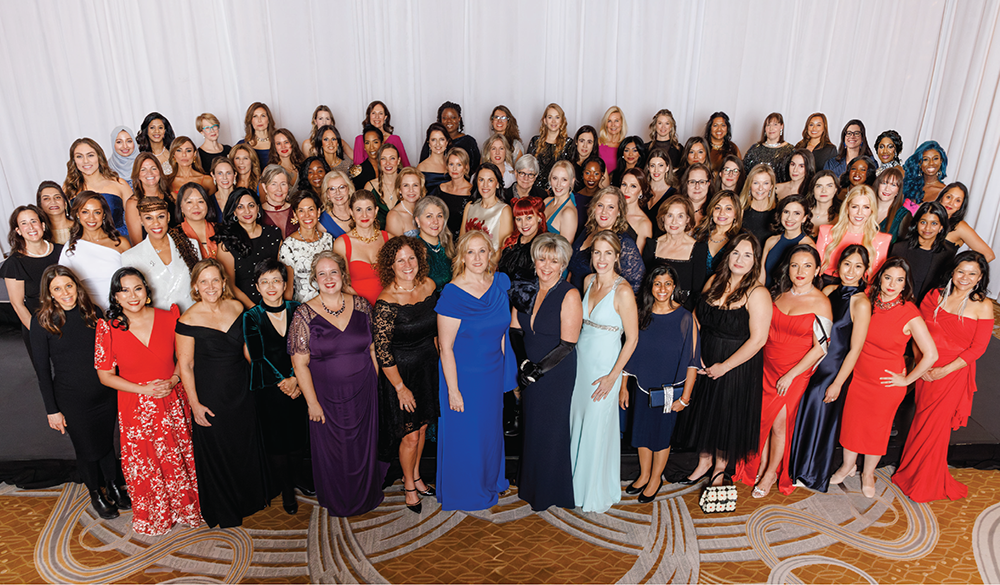
But when we asked Canada’s Most Powerful Women: Top 100 Award Winners what it means to live “Like a Legend,” their answers didn’t sound distant or unattainable.

They sounded lived.

Grounded in decisions, in setbacks, in the quiet moments where you choose who you’re going to be, again and again.

Here’s what they shared.

The power of why not

The Power of Why Not

BY JACKELYN GILL
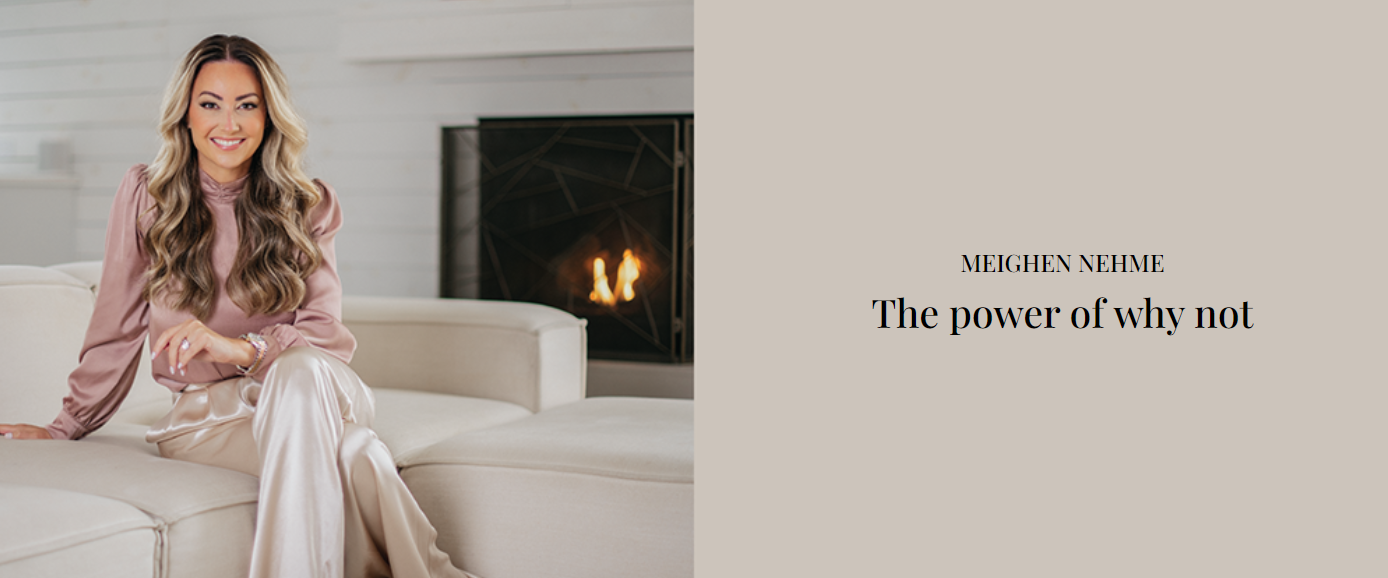
The expert opinion was in: Meighen Nehme wasn’t going to make it.

Her business, at least. In the middle of the Great Recession, she decided the Job Shoppe wasn’t shutting doors, but rather opening new ones a few cities over.

And the Fortune Hunters’ cameras caught it all for their 2009 season on CBC. Where she was going to open her second location. Doing business all day. Feeding her six-month-old son Lucah. Who her competitors were. And the advice from an established veteran in the staffing field, with 200 employees and $10 million in revenue.

“Her advice to me was to just work in Windsor,” Meighen says. She even remembers one of the show’s celebrity guests agreeing in a less-than-optimistic way.

That’s the part Meighen didn’t see until the show aired, and it’s the pivotal moment that reinforced that she was actually on the right track.

I Went to School in a Rowboat

I Went to School in a Rowboat

BY DR. KATHERINE CHUBBS
I went to school in a rowboat.

That’s where my story begins.

I grew up in a remote community in Labrador, about 50 people. My father was a fisherman, and my mother owned the only business in town. We had a summer home and a winter home, and twice a year we would travel inland and then back to the ocean.

I remember when we didn’t have bathrooms. I remember when we didn’t have hot water or television. We were, in many ways, about 50 years behind other parts of the country.

And when you’re 14 or 15 years old, if you want to continue your education, you have to leave.

So I did. I moved away from home to live with strangers. It was one of the hardest things I’ve ever done.

The Feeling I Couldn’t Shake Part 1

The Feeling I Couldn’t Shake – Part 1

BY CYBELE NEGRIS
When I was named one of Canada’s Most Powerful Women, I didn’t feel powerful. I felt exposed.

I remember the moment clearly. Being recognized for work I had poured years into, leading a successful, award-winning tech company in a male-dominated industry.

I should have felt proud. And I did… partially. I felt honored. Grateful. Humbled.

But underneath all of that, there was something else. A quiet, persistent feeling that I didn’t belong there.