
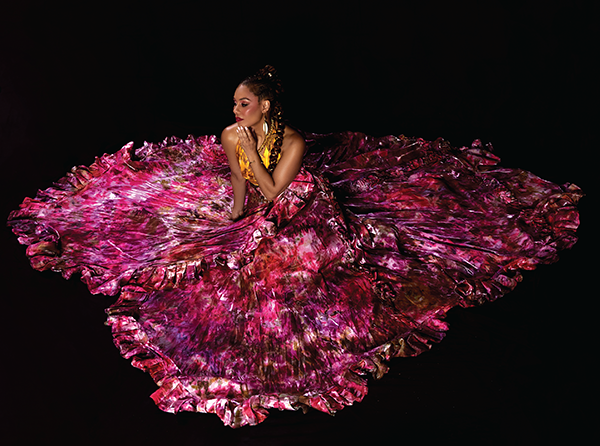
Photo: Sammy Oguejiofor
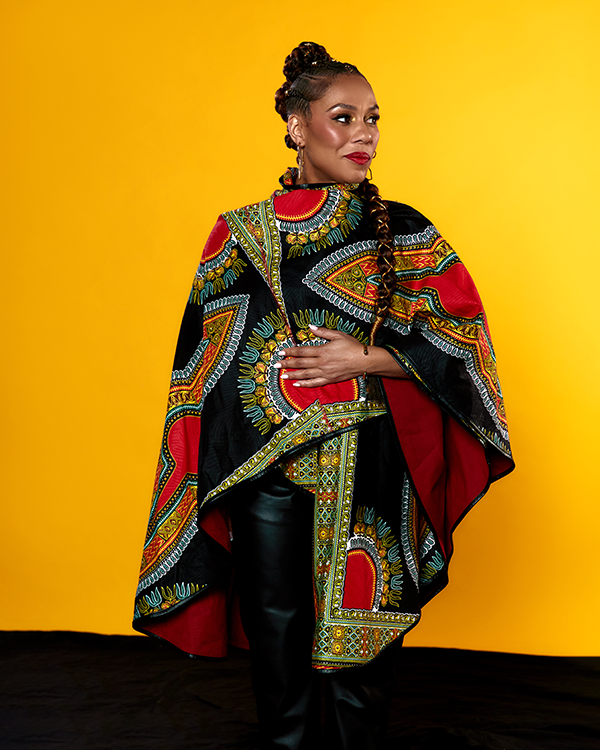
Photo: Sammy Oguejiofor
Beyond the
Bumpenya:
The Real Work
of Being
Princess Sarah
Culberson
What it means to accept a title you were born into but never lived.
BY JACKELYN GILL
WXN Media
SEPTEMBER 7, 2026
It was a childhood proverb in her adopted West Virginia family: “If part of our world is off balance, Sarah, it affects all of us.”
And things around Princess Sarah Culberson were off-balance in the Bumpe Chiefdom of Sierra Leone.
At 28, she learned she was the Mahaloi through her biological lineage. The granddaughter of the Paramount Chief. The Bumpenya, Lady of Bumpe.
A long night of joyful celebration followed her arrival in the village. It was “mind-boggling and overwhelming and shocking and beautiful.” And then her birth father, Joseph Konia Kposowa, Chief of the Mende Tribe, showed her the rest.
They walked through Bumpe High School, where he was headmaster. Or what remained after the flames took it during the 11-year Blood Diamond War. She visited an amputee village where she met many who lost arms and legs to rebel machetes.
“When you've been through war, it's a whole different ball game. No one can really understand unless you go through it,” she said. “I never did, but I took on listening to learn from them.”
She didn't choose her title — the lineage was always there. But she also did choose it the moment she walked through that village and didn't turn away. “It gave me my purpose.”
Global Roots
Shortly after she was adopted by Jim and Judy Culberson, Princess Sarah boarded a plane to New Zealand.
She doesn’t remember that first year with her new parents and two sisters, but the family photo album keeps the score. They hopped to Australia, Tasmania, Singapore, Kenya, and California. “At two years old, I had been in more countries than most people ever visit,” she says.
Travel was a given for the family. Her parents believed, “We've got to take our girls around the world, because the world is not just America. They need to see how other people live and connect to our global community.”
In Sierra Leone, Princess Sarah felt that connection. She also felt guilt. “I saw my own privilege, that a lot of us have, that we don't realize,” she said. “But sitting in guilt doesn’t make a difference. Being in action does.”
“Sitting in guilt doesn’t make a difference. Being in action does.”
Before returning home, she began raising funds to start rebuilding the high school. And when she paid her second visit to Bumpe, she brought company: her adopted parents.
“Everyone got to connect, from West Virginia to West Africa,” Princess Sarah says. And they came with a goal: “We want to get to know you. We want to see what's happened after this war. Let's see how we can help.”
Sweat Equity
From that visit sprang the Kpsowa Foundation, now Sierra Leone Rising, a non-profit organization focused on public health, education, technology, and female empowerment.
Since co-founding it in 2006, “We've gone through COVID, gone through mudslides. I mean, talk about anxiety! I think Ebola in Sierra Leone was probably one of the worst years of my life,” Princess Sarah says. Even though they were sending funds to help with supplies, “I felt so helpless.”
Rebuilding Bumpe High School was a primary goal at the outset. A new computer lab and solar panels rise from the rubble, adding to the rehabilitated staff quarters, dining hall, and home economics block.
Early on, they built wells that reach clean water in aquifers 100 feet deep – too difficult to dig by hand. More than a decade later, those wells are still in service. “It’s worth the investment because they last. You’re not having people get water-borne diseases from contamination.”
For students who once walked miles each day to attend class, the organization provides a bicycle program. For those who don’t have light at home to study – or who rely on highly flammable kerosene lamps – it provides solar lanterns. To help girls stay in school during their menstrual cycle, “We started working with Days for Girls and The Pad Project to make washable, reusable sanitary pads in Sierra Leone,” she says.
“People have come together to make this happen. And I'm so grateful.”
After Hollywood
Princess Sarah takes the fact that she could become chief quite seriously. “It’s not all diamonds and pearls like we think. And even when talking to other royalty in other countries, people I've become friends with, it's the same for them.”
But seeing the difference in Bumpe makes the world feel a little more balanced. And Sarah feels the same on the inside, too.
Before that visit, “My dream was to be on the red carpet,” she says. But stepping into her title shifted that dream. “I became more interested in my tribe's livelihood than Hollywood,” she says.
“It's given me a deeper sense of people myself, what's important, and what's not.”